
What Is the D Personality Type?
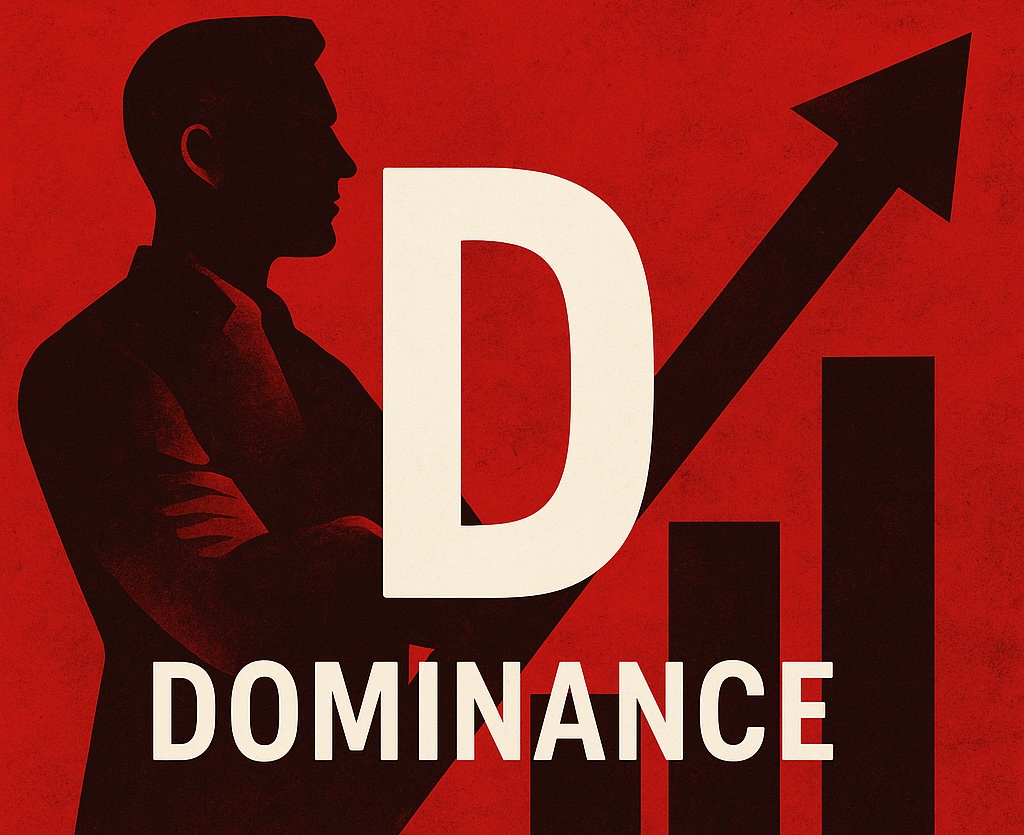
In the DISC personality framework, Type D (Dominance) represents people who are decisive, assertive, goal-oriented, and driven by results.
They are natural leaders who enjoy taking control, setting direction, and facing challenges head-on.
D types are motivated by success and autonomy. They focus on achieving their goals and are willing to take risks to make things happen. They prefer action over theory and value efficiency, progress, and tangible outcomes.
People with a Dominant personality often seek control over their environment and dislike being micromanaged. They have a strong will and can overcome resistance from others to reach their objectives. However, they may sometimes come across as intense, impatient, or skeptical, especially when they feel their authority is challenged.
Core Motivation of the D Personality
D types strive for personal freedom, authority, and recognition.
They are motivated by challenges, success, and opportunities for advancement. Their satisfaction comes from solving problems, achieving measurable results, and gaining respect through their accomplishments.
They are energized by competition and are happiest in environments where they can take initiative, make decisions, and influence outcomes directly.
Strengths of the D Personality
-
Direct and confident: D types are honest, self-assured, and assertive in their communication.
-
Goal-driven: They focus on results, not just processes.
-
Action-oriented: Always ready to make decisions and take responsibility for outcomes.
-
Resilient under pressure: Able to handle large workloads and thrive in fast-paced, high-stakes situations.
-
Decisive leadership: They motivate others to stay focused on key objectives and deliver results.
-
Innovative mindset: They challenge existing methods and seek faster, more effective solutions.
Weaknesses of the D Personality
-
Overly controlling: Their strong desire for control may cause them to overstep boundaries.
-
Impatient or argumentative: They may dismiss others’ opinions or debate too aggressively to defend their own.
-
Outcome-focused: Can overlook important details or the emotional impact of their actions.
-
Ambitious to a fault: Their drive for success may lead to burnout or impatience with slower team members.
How D Types Can Improve
-
Practice active listening to better understand others’ perspectives.
-
Communicate decisions with patience and clarity so others can follow their vision.
-
Pay attention to tone and body language to avoid sounding harsh or intimidating.
-
Value relationships as much as results — empathy builds long-term influence.
-
Delegate trustfully, allowing others to share responsibility and creativity.
Work Motivation & Ideal Environment
D types thrive in environments that are:
-
Challenging and fast-paced
-
Results-driven and competitive
-
Open to innovation and autonomy
They dislike repetitive routines, strict rules, or excessive supervision.
They prefer to lead projects, make strategic decisions, and be judged by their results.
How to Work with D Types
When working with a D personality:
-
Be direct, concise, and focused on facts.
-
Present solutions and outcomes, not problems.
-
Avoid long explanations or emotional arguments — focus on logic and measurable results.
-
Don’t dwell on small issues; they think in terms of the bigger picture.
-
Show respect for their time and independence.
⚡ Combined D Types: DI and DC
Most people display a combination of two dominant DISC traits, creating unique behavioral blends.
🔹 DI Type – The Executive
Characteristics:
The DI personality (Dominance + Influence) is energetic, persuasive, and ambitious. They are charismatic leaders who enjoy taking charge and motivating others.
They pursue big goals with passion and confidence, and they use their communication skills to rally people around their vision. DI types are drawn to power, recognition, and influence — they thrive when they can inspire action and make bold decisions.
Strengths:
-
Dynamic, independent, and determined.
-
Confident decision-maker, unafraid of challenges.
-
Excellent communicator and motivator.
-
Strong leadership and problem-solving skills.
-
Highly goal-oriented and results-driven.
Weaknesses:
-
Can set unrealistic standards, creating pressure for others.
-
May over-control projects or distrust others’ capabilities.
-
Easily frustrated when restricted or challenged.
-
Tend to chase too many new ideas at once.
How to Improve:
-
Practice patience and listen to feedback carefully.
-
Avoid pushing others too hard for fast results.
-
Follow structured plans to help the team stay aligned.
-
Offer encouragement and support to colleagues.
Motivation & Ideal Environment:
DI types are motivated by achievement, influence, and rapid progress. They thrive in environments where they can lead, innovate, and make visible impact, especially when surrounded by energetic, ambitious people.
🔸 DC Type – The Challenger
Characteristics:
The DC personality (Dominance + Conscientiousness) is disciplined, analytical, and highly focused on excellence.
They approach work with intensity and precision, holding both themselves and others to high standards.
They influence others through competence, authority, and logic, preferring to deal with challenges directly and practically.
Strengths:
-
Result-oriented with strong problem-solving skills.
-
Logical and structured decision-maker.
-
Focused on performance, quality, and efficiency.
-
Communicates clearly and assertively.
-
Responsible and committed to high standards.
Weaknesses:
-
May seem rigid or unapproachable.
-
Can overlook emotions and interpersonal nuances.
-
Might react too quickly or harshly in stressful situations.
-
Tendency to criticize when others fail to meet expectations.
How to Improve:
-
Be mindful of tone when giving feedback.
-
Keep others informed about changes or decisions.
-
Pause before reacting; adjust communication for clarity and empathy.
-
Encourage collaboration instead of total control.
Motivation & Ideal Environment:
DC types excel in structured, goal-oriented environments where they can work independently, make decisions, and deliver high-quality outcomes. They value stability, efficiency, and measurable success.
🌟 Final Thoughts
The D personality in DISC embodies power, confidence, and determination.
They are born leaders who thrive on challenges and transformation.
When D individuals balance their assertiveness with empathy and collaboration, they become truly influential — capable of leading teams, organizations, and even entire movements toward success.
“Great leaders don’t just drive results — they inspire belief.” 💼